
Leather Patterns, Online Sharing, and Commercial Use: Where Makers Should Draw the Line

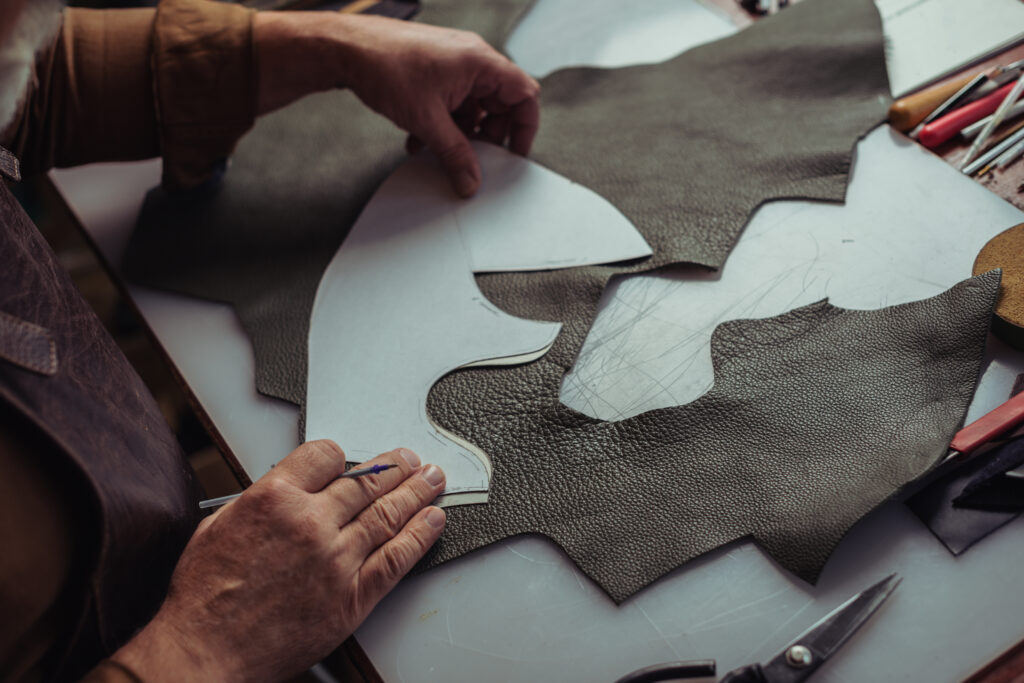
The leatherworking community is built on sharing patterns, techniques, inspiration, and hard-earned lessons. A quick search online will turn up thousands of leather patterns, many of them free, others sold at very reasonable prices. But just because a pattern is easy to download doesn’t automatically mean it’s fair game for commercial use.
This is where many makers, often unintentionally, cross a line.
Free Does Not Mean “Free for Everything”
When a creator shares a leather pattern for free, it’s often done in the spirit of community. They want others to learn, practice, improve their skills, or make something meaningful for themselves, friends, or family. That generosity deserves respect.
Free access does not automatically equal permission to:
- Sell finished products made from the pattern
- Claim the design as your own
- Build a business around someone else’s creative work
If a pattern does not explicitly state that commercial use is allowed, the safest, and fairest, assumption is that it is not.
Makers Are a Lot Like Musicians
A helpful way to think about this is through music.
Musicians learn by playing other people’s songs. They cover them, practice them, and even perform them for friends or small audiences. That’s part of learning the craft. But there’s a clear ethical boundary: you don’t take someone else’s song, record it, and sell it as your own.
Leather patterns work the same way.
- Making an item from a pattern for personal use? Totally reasonable.
- Learning techniques or construction methods from a pattern? That’s how skills grow.
- Taking a pattern, selling the finished product, and calling it your own design? That’s where the problem starts.
Don’t be the maker equivalent of the musician who takes a song and pretends they wrote it.
Paid Patterns Still Come With Limits
Buying a pattern also doesn’t automatically grant commercial rights.
Some designers do allow commercial use, and sometimes with attribution, sometimes with limits on scale. Others explicitly prohibit it. Many simply don’t specify, which again means you should not assume.
If you plan to sell items made from a purchased pattern:
- Read the license or usage terms carefully
- Look for clear language like “commercial use allowed”
- If it’s unclear, reach out and ask, it’s that simple.
Most designers appreciate being asked. Many will grant permission, clarify expectations, or offer a commercial license. And even if they say no, you’ve shown respect for their work.
Why This Matters to the Maker Community
Leather patterns don’t appear out of thin air. They take time, testing, failed prototypes, revisions, and experience. When makers ignore usage boundaries, it discourages designers from sharing their work, especially for free.
If we want, better patterns, more makers to openly share their patterns, stronger maker communities, etc., then we have to protect the people who create the resources we rely on.
A Simple Rule of Thumb
If you didn’t design it, don’t assume you can sell it.
If someone helped you learn by sharing a pattern, free or paid, acknowledge that. Respect it. Ask permission. And when you do create something original, be clear about how others can use your work too.
Fairness keeps the craft alive.



Responses